Things to Consider

  • Safety features and classroom management - Look for cutters with enclosed blades, automatic blade retraction, and safety sensors. Consider models that allow teachers to control cutting remotely and have clear safety protocols for student supervision around sharp cutting tools.
  • Educational value and curriculum alignment - Evaluate how vinyl cutting supports learning objectives across subjects (art, design thinking, engineering, math concepts like scaling). Consider whether the technology introduces valuable digital fabrication skills while remaining accessible to various grade levels.
  • Total cost of ownership beyond initial purchase - Factor in ongoing expenses including replacement blades, cutting mats, vinyl rolls, and various material costs. Budget for software licensing fees if required, and consider bulk educational discounts when calculating per-student costs.
  • Ease of use and student independence - Assess the learning curve for both teachers and students. Look for intuitive software interfaces, clear visual feedback during operation, and machines that allow students to work independently after initial training while maintaining safety.
  • Documentation, training resources, and technical support - Ensure robust educational resources are available including lesson plans, troubleshooting guides, and video tutorials. Verify that technical support understands educational environments and can provide timely assistance during class periods.
  • Material versatility for diverse projects - Consider the range of materials the cutter can handle (cardstock for prototyping, fabric for textiles projects, vinyl for signage) to maximize cross-curricular applications and justify the investment across multiple subject areas.
  • Resources and Notes

    There are two general types of vinyl cutters: hobbyist and professional. A good hobby-grade machine can cost under $200 and can be a nice introduction to the 2D design and cutting process for makers before taking the leap of purchasing a laser cutter. For specialized vinyl sheets and membership-based access to pre-drawn templates, there are operating expenses. The process for using either type is similar: create a vector-based image, cut the material, "weed" the unwanted pieces, and transfer the cut material onto the desired surface.

    Start using vinyl/craft cutters in your classroom projects.  Check out this video full of examples and techniques from our presentation at the 2021 MassCUE Virtual Conference.

    Cricut Explore Air 2 Vinyl Cutter  - Tutorial

    Common Vinyl/Craft Cutters Available

    Cricut Maker cutting machine with various colorful vinyl designs cut out on red material

    Cricut Craft Cutters

    Cricut cutting machine with purple paper cut into decorative shapes and star patterns

    Silhouette Craft Cutters

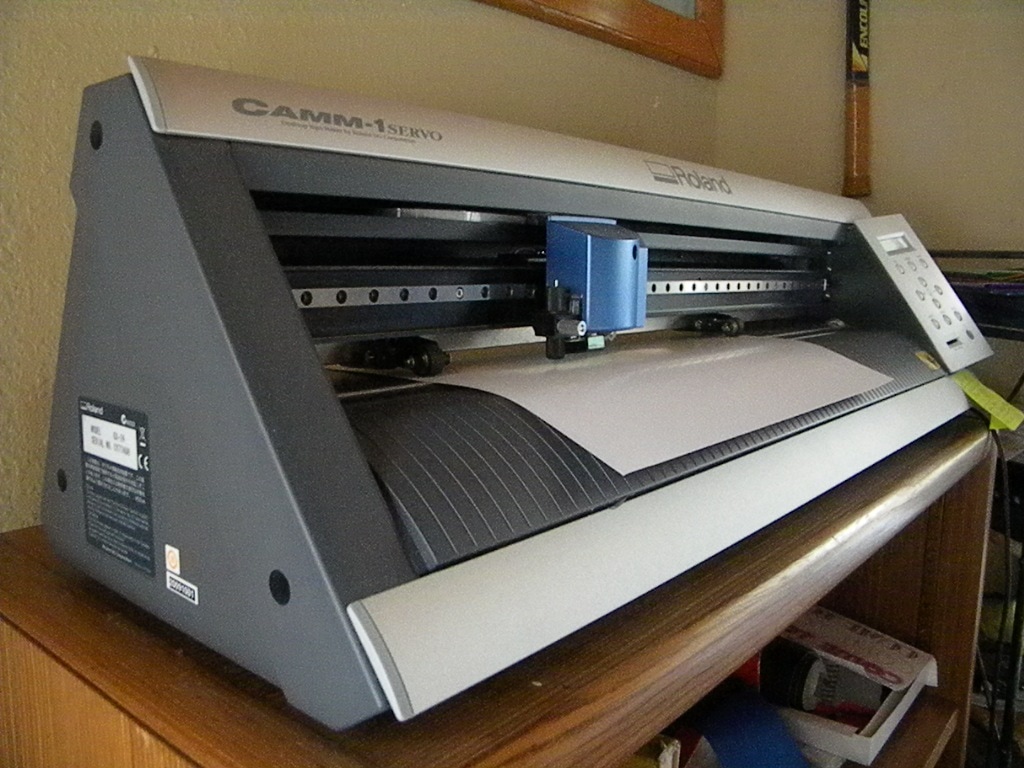
    CAMM-1 Servo cutting plotter machine on wooden desk with paper and blue cartridge

    Roland Vinyl Cutters

    Titan3 vinyl cutter plotter with blue housing and included VinylMaster software

    US Cutter Vinyl Cutters

    Related Projects