Explore

Physical computing involves interacting with the physical world in addition to a screen. You take in data from light, motion, or temperature sensors, and control devices such as motors, speakers, and lights. Physical computing is fun, engaging, and makes learning to code easier and more understandable. Two well-supported and easily found platforms are Arduino and micro:bit. Both are great for students and adults to learn on and make interactive electronic projects.

Physical computing involves interacting with the physical world in addition to a screen. You take in data from light, motion, or temperature sensors, and control devices such as motors, speakers, and lights. Physical computing is fun, engaging, and makes learning to code easier and more understandable. Two well-supported and easily found platforms are Arduino and micro:bit. Both are great for students and adults to learn on and make interactive electronic projects.
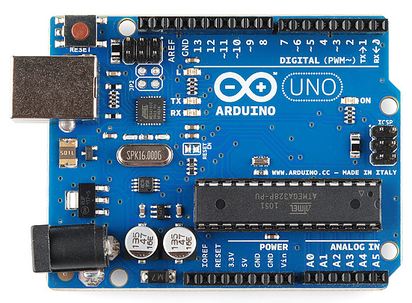
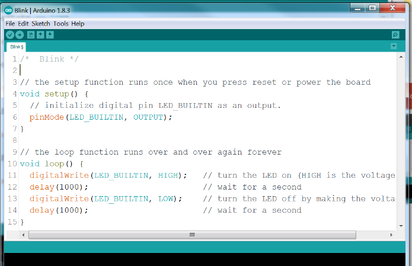
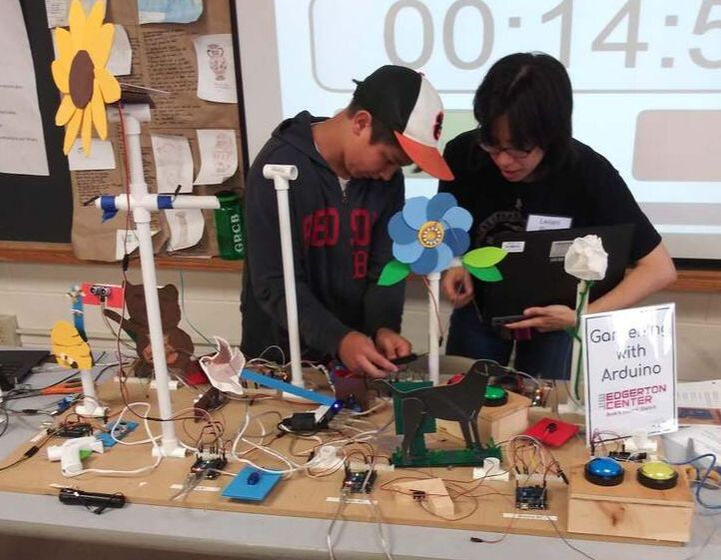
Arduino microcontrollers are low-cost open source boards well-suited to controlling interactive electronic devices. They are powerful and versatile, with a wide range of accessories availabile, and a huge community of users around the world that provide easy online support (forums, Instructables, websites, etc.) Coding is done through a downloaded Interactive Development Environment (not for Chrome books) and is done in Arduino C (text). The browser-based version of the IDE is available but not free. Connections to the Arduino are made with solid hook-up wire or jumper wires. A solderless breadboard is usually needed, but soldering is not necessary.
The biggest challenges with the Arduino are the text-based interface and the breadboards. There are some block code interfaces, however, this does not solve the breadboard barrier. If a student cannot handle the precision of text-based coding, they probably are not ready for a breadboard. Students 10th grade and up should be bale to handle Arduino, and students younger than that can use Arduino well if they are self-directed learners.
Official site (with setup, references, forum, etc)
Arduino.cc - Getting started
Other Arduino Tutorials - there are many available online. Here are a few:

Developed for Outreach programs with middle and high school students
We designed this activity to introduce kids as young as 6th grade to physical computing, without breadboards! Students brainstorm, build, and code characters and objects they might find in a garden - buzzing bees, smiling flowers, gnomes, or something less traditional. Although this activity requires considerable fabrication in advance, it can be used over and over again.
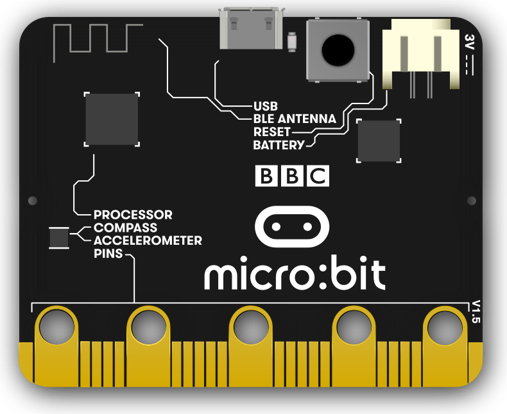
The BBC Microbit is a low cost microcontroller and is a great platform for those not yet ready for Arduino (down to grade 4). The board itself has lots of onboard sensors and an LED grid display and the coding environment includes a built-in onscreen simulator. Micro:bit is easy to get started on, and yields fun results quickly. Coding is done through a browser-based interface (Chromebook ready) and is done in Makecode (blocks) or Python (text). Connections to the micro:bit are made through 5 copper- plated holes on the edge of the board (sized for banana plugs), or through a solderless breadboard if you buy an adapter. There is a large and growing ecosystem of accessories, interfaces, and code extensions.A big challenge with the micro:bit is the difficulty in connecting to the board via the 5 holes. Alligator clips move around a lot. Wire wrapped around them fails after a short while because the electrical contact gets weak. Another challenge is the 3V output voltage. Servo motors are fun, versatile, and easy to control on the micro:bit, but they barely work on 3V. Whether you are using servo motors or not, make sure to get a battery pack that takes AAs, not AAAs, which have a lower current capacity.


"Harvey", a simple but expressive robot face
Automatic plant watering machine
Doorbell with Messages
Mechanisms behind Harvey's face
Light-sensing Theremin
Compass



.svg)
We help educators integrate Maker/STEAM projects into regular academic classes, making their curriculum more engaging, promoting "21st-century" durable skills, and fostering literacy in creative technologies used by professionals.


.jpeg)